The blood in the umbilical cord contains stem cells which regenerate blood cells. The most common thing was for the cord to be cut so that the baby begins to breathe on.

How To Take Care Of My Babys Umbilical Cord Babies
If cord blood gases need to be obtained, clamp first proximal to mum, distal to baby to optimise cord blood gas results.
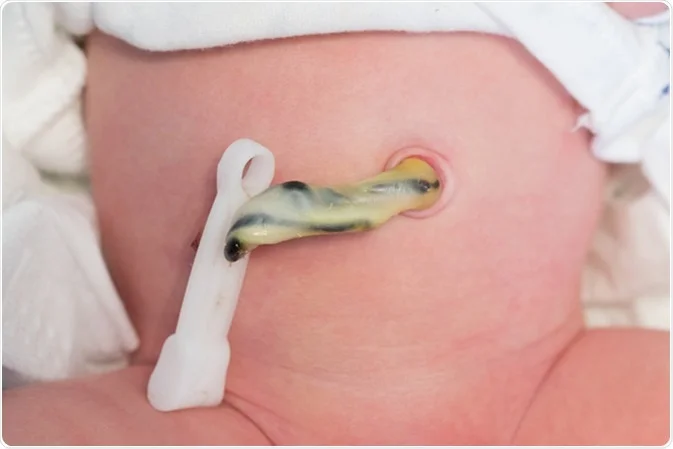
How does the umbilical cord work after birth. After delivery, the cord’s blood vessels are clamped and compressed to stop blood from. During pregnancy, the fetal circulatory system works differently than after birth: The umbilical cord connects your baby to the placenta (afterbirth) in the uterus.
After birth, the cord is clamped and cut, leaving a stump. Thankfully, most abnormalities of the umbilical cord are rare; The umbilical cord has blood vessels that carry oxygen and food from the placenta to your baby.
According to a review by the cochrane library, it is possible that keeping your baby connected to their umbilical cord for a period longer than one. After birth, the umbilical cord is clamped or tied and is then cut. The placenta and umbilical cord form in your uterus along with your baby during pregnancy.
In most cases, the umbilical cord will be cut following birth; As a result, in some hospitals, it’s extracted and frozen to be used later in treating blood diseases. The baby receives extra blood from the cord so this can in fact help them store extra nutrients to help boost their iron in their body.
Postnatal care of the umbilical cord stump: The umbilical cord is made up of one large vein and two smaller arteries. Net placental transfusion is probably the result of several factors of which breathing could play a major role.
When compared to automated processing, anja's manual processing leads to almost 25% more stem cells being recovered and up to 80% less red blood cells contaminating the sample. At birth, major changes take place. And babies who move a lot tend to have longer cords.
Cord blood is the blood that remains in the umbilical cord and placenta following birth. At birth, the cord is torn away from the placenta, but remains attached internally to the calf’s liver and circulatory system. It’s standard procedure for doctors to snip off the umbilical cord around 30 seconds after birth, but to get the health benefits from it, it’s recommended to leave it on for at least 2 mins or when the cord starts pulsating.
For eight or so months, the umbilical cord (which forms around five weeks gestation) carries nutrients and oxygen from you to your baby and delivers deoxygenated blood and waste back to the placenta. It provides nutrients and oxygenates your baby’s blood. The cord includes a pair of umbilical arteries and a single umbilical vein.
It has three blood vessels: For most of the rest, however, the mothers eat not only the placenta and the cord, but they tend to ingest a fair bit of amniotic fluid, as well (while cleaning the affected areas). In the womb, the umbilical cord delivers the oxygen and nutrients needed to allow your baby to grow.
Inside the cord and in case baby needs an umbilical line inserted. And if something goes wrong, this can usually be detected by a pregnancy ultrasound. The umbilical cord is so significant that many parents choose to save the blood from their baby’s cord for possible stem cell treatments in the future.
The fetus is connected by the umbilical cord to the placenta, the organ that develops and implants in the mother's uterus during pregnancy. The umbilical cord plays a key role in the gestation of the developing fetus. The umbilical cord is connected to the cow’s placenta and passes through the calf’s abdomen at the navel.
Waste products and carbon dioxide from the fetus are sent back through the umbilical cord and placenta to the mother's circulation to be eliminated. The placenta helps your baby breathe and grow before birth. The umbilical cord is clamped and the baby no longer receives oxygen and nutrients from the mother.
Researchers have several theories to explain placentophagia, and these include hygiene, to reduce odors that may attract predators, to replenish nutrients lost during pregnancy and to acquire additional hormones. Umbilical cords do the miraculous job of connecting you to your baby in the womb, and helping them grow and thrive. Arch dis child fetal neonatal ed.
With the first breaths of air, the lungs start to expand and the ductus arteriosus and the foramen ovale both close. The baby's circulation and blood flow through the heart now function like an adult's. There are ways for you to prevent problems during healing.
The umbilical vein carries blood oxygenated in the maternal body from the placenta to the fetus, while the umbilical arteries carry deoxygenated blood and fetal wastes from the fetus to the placenta, where they are treated in the maternal body. Fetal oxygen, nutrients and wastes are exchanged through the umbilical cord. That schedule can range from three to 10 days, depending on the humidity in the air.
Cord blood is collected after the baby is born and the umbilical cord has been clamped and cut. Mom does not chew through umbilical cord after several minutes call for help (or have another person do so if they are available) if you need help with the steps below clamp 2 hemostat forceps (or tie 2 lengths of dental floss) about 0.5in/1.3cm apart on the umbilical cord, at least 1in/2.5cm from the puppy (further from puppy is. The cord stump should be kept clean and dry.
Umbilical blood flow patterns directly after birth before delayed cord clamping. Through the blood vessels in the umbilical cord, the fetus receives all the necessary nutrition, oxygen, and life support. On average, it’s 20 inches long.
Through the blood vessels in the umbilical cord, the fetus receives all the necessary nutrition, oxygen, and life support from the mother through the placenta. However, it does not necessarily have to be cut immediately. Umbilical flow is unrelated to cessation of pulsations.
The umbilical cord is cut soon after birth, and your baby's remaining umbilical cord stump will dry and fall off one to three weeks after birth. This eventually falls off, healing to form the umbilicus (belly button). Once the child is born, the cord continues to beat for a few minutes.
/GettyImages-1202710980-c04fac86a3434095b31e4472674da83d.jpg)
What Is An Umbilical Cord
When A Baby Is Born And The Umbilical Cord Is Cut Can A Mother Claim That The Baby Is A Part Or Extension Of Her Body Same As The Unborn Child -
What Do Nurses And Doctors Do With The Umbilical Cord After A Baby Is Born And What Is The Other End The One Not Attached To The Babies Bellybutton Connected To -
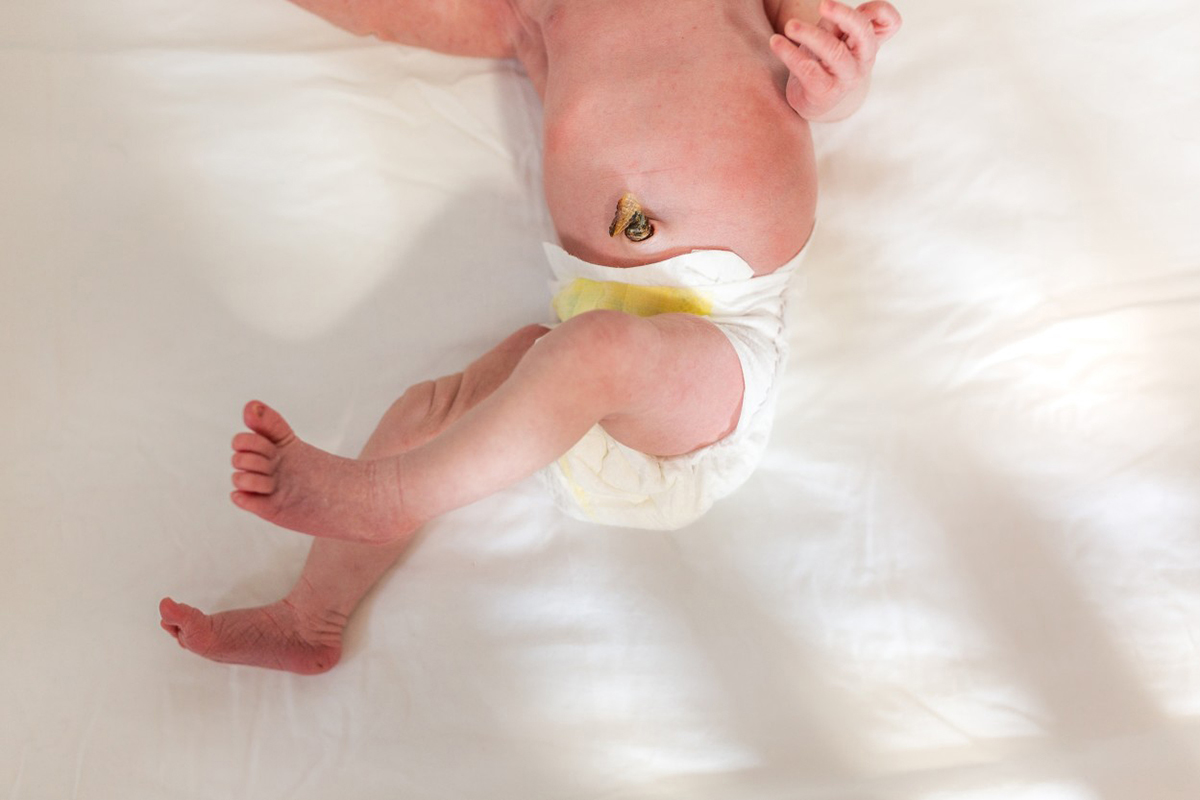
What Happens To Babys Umbilical Cord After Birth Pregnancy Newborn

What Is The Umbilical Cord Babycenter
Caring For The Umbilical Cord Postpartum

Function Of Umbilical Cord A Detailed Guide For Parents
What Happens To The Umbilical Cord On The Mothers Side After Birth - Quora

Delayed Cord Clamping Benefits Babycenter

Function Of Umbilical Cord A Detailed Guide For Parents
Difference Between Umbilical Cord And Placenta Difference Between

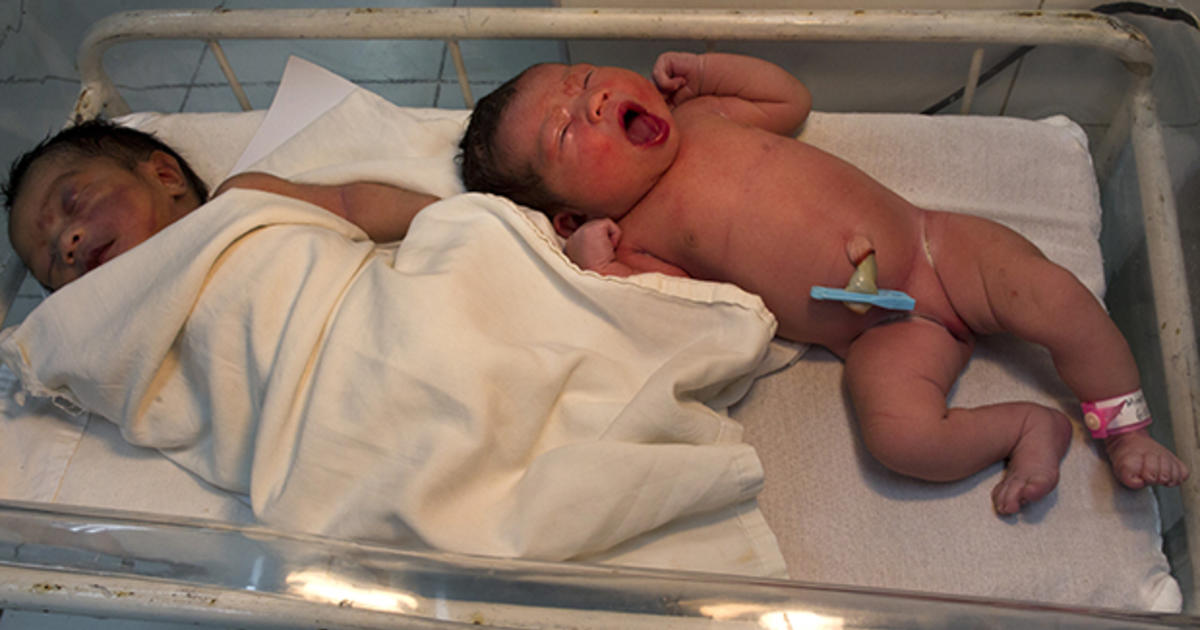
Not Cutting Umbilical Cord Immediately May Boost Babys Health - Cbs News
Newborn Baby With Umbilical Cord Stock Photo - Download Image Now - Istock

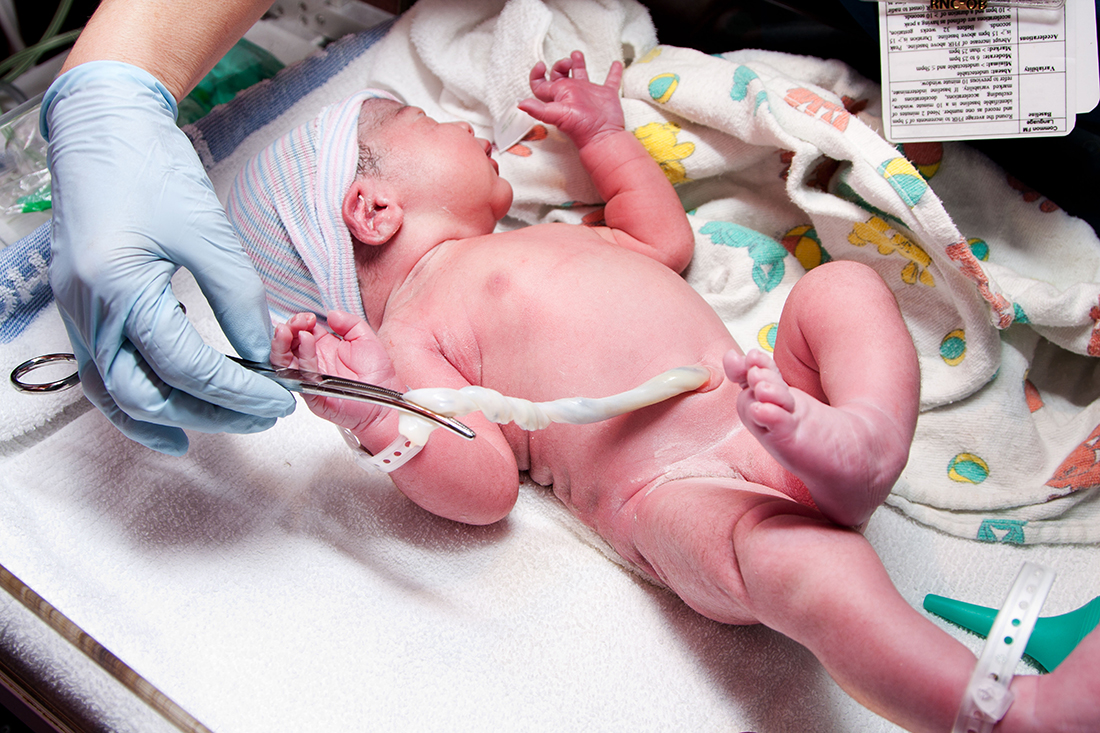
Lotus Birth What Experts Say About Cutting The Cord Live Science

Cutting The Umbilical Cord When Is The Best Time
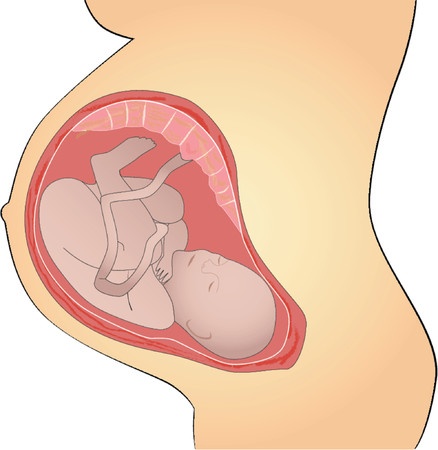
Understanding The Umbilical Cord - Cells For Life

Clamping And Cutting The Umbilical Cord After Birth - 2020 - Journal Of Midwifery Womens Health - Wiley Online Library

Umbilical Cord Care Pregnancy Birth And Baby

Umbilical Cord Vs Placenta Difference Between Placenta And Umbilical Cord
Komentar
Posting Komentar